Stroke Care Singapore A Practical Human Guide to Recovery With Trust and Care
Stroke changes life fast. One moment feels normal. The next moment everything feels upside down. In Singapore, stroke remains one of the leading causes of death and long term disability. The good news is simple and powerful. With timely treatment, structured rehabilitation, and compassionate long term support, many stroke survivors regain independence and dignity.
This guide explains Stroke Care Singapore in a clear and human way. It follows medical facts, national healthcare standards, and global best practices. It also keeps things friendly, because healing works better when fear stays low and understanding stays high.
Understanding Stroke Without Medical Jargon
A stroke happens when blood flow to the brain stops or drops suddenly. Brain cells need oxygen every second. When oxygen disappears, damage starts fast.
Doctors classify strokes into two main types.
-
Ischemic stroke caused by a blocked blood vessel. This type accounts for most stroke cases in Singapore.
-
Hemorrhagic stroke caused by bleeding in the brain.
The Ministry of Health Singapore reports that stroke affects tens of thousands of people every year. Aging population trends suggest the number will rise. That sounds scary, but knowledge gives power. Prevention and care work when people act early.
Why Stroke Care in Singapore Stands Out
Singapore has one of the most structured healthcare systems in Asia. Stroke care follows strict clinical pathways. Hospitals, rehabilitation centers, and nursing homes work together instead of working alone.
Doctors follow evidence based protocols aligned with guidelines from the World Health Organization and the American Stroke Association. This structured approach improves survival and recovery rates.
Another strength comes from accessibility. Emergency services respond fast. Public hospitals offer specialized stroke units. Community based care supports recovery beyond hospital walls.
The First Golden Hours Matter More Than Gold
Doctors often say time is brain. That statement sounds dramatic, but it remains true.
During an ischemic stroke, every minute without treatment destroys millions of brain cells. Early treatment reduces disability and saves lives.
In Singapore, emergency stroke pathways allow rapid diagnosis through CT scans and MRI imaging. Eligible patients may receive clot dissolving medication within a strict time window. Some patients receive mechanical clot removal through minimally invasive procedures.
Fast action does not rely only on doctors. Families and caregivers play a major role. When someone shows signs like slurred speech, facial drooping, or weak limbs, calling emergency services immediately can change everything.
Life After Hospital Discharge Starts a New Chapter
Hospital care handles the emergency. Recovery begins after discharge.
Many stroke survivors face challenges such as difficulty walking, swallowing problems, speech impairment, or memory changes. Emotional health also matters. Depression and anxiety appear often after stroke.
Singapore emphasizes multidisciplinary rehabilitation. Teams include physiotherapists, occupational therapists, speech therapists, nurses, and doctors. Each professional focuses on a specific area, but everyone works toward the same goal. Restoring function and confidence.
Short paragraphs. Clear goals. Consistent therapy. These elements support real progress.
Stroke Rehabilitation Builds Strength Step by Step
Rehabilitation works best when it starts early and continues steadily. Research published by the World Health Organization confirms that early rehabilitation improves outcomes and reduces long term dependency.
In Singapore, stroke rehabilitation includes:
-
Physical therapy to improve strength and balance
-
Occupational therapy to regain daily living skills
-
Speech and swallowing therapy
-
Cognitive and memory training
-
Emotional and psychological support
Therapy sessions may feel tiring. Progress may feel slow. Recovery does not follow a straight line. Some days feel strong. Other days feel heavy. Both days count.
The Role of Nursing Homes in Stroke Care Singapore
Not every survivor returns home immediately. Some need extended medical supervision and structured support.
Nursing homes in Singapore provide professional stroke care for patients who need long term assistance. These facilities offer 24 hour nursing, rehabilitation programs, and medical oversight.
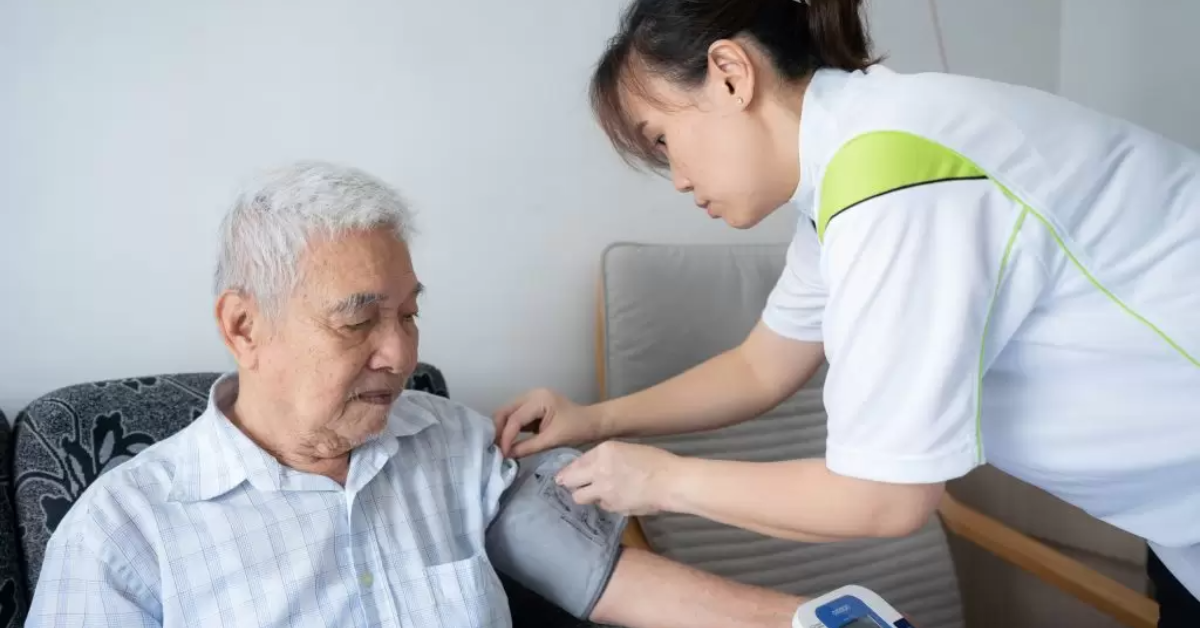
Quality nursing homes focus on dignity, safety, and comfort. Trained nurses manage medications, monitor vital signs, and prevent complications such as infections or pressure injuries.
Families often feel relief when they see loved ones receiving consistent care. Healing does not stop because home feels far away. Care simply changes location.
Long Term Stroke Care Focuses on Quality of Life
Stroke recovery does not end after months. Some effects last years. Long term care matters just as much as early treatment.
Good stroke care in Singapore emphasizes:
-
Ongoing rehabilitation support
-
Chronic disease management
-
Nutrition planning
-
Fall prevention
-
Social engagement
Social interaction reduces isolation. Isolation slows recovery. Laughter helps too. A shared meal or friendly conversation often improves mood more than any pill.
Preventing a Second Stroke Requires Daily Habits
Surviving a stroke increases the risk of another one. Prevention saves lives.
Doctors recommend lifestyle changes backed by strong evidence.
-
Blood pressure control
-
Diabetes management
-
Cholesterol reduction
-
Smoking cessation
-
Regular physical activity
-
Balanced nutrition
According to the Ministry of Health Singapore, controlling blood pressure alone reduces recurrent stroke risk significantly. Small daily choices add up.
Prevention does not mean perfection. It means consistency. Progress beats pressure.
Family Caregivers Need Support Too
Stroke affects families as much as individuals. Caregivers often feel overwhelmed. They manage medications, appointments, mobility support, and emotional reassurance.
Singapore offers caregiver training programs and community resources. These services teach safe lifting techniques, feeding support, and stress management.
Caregivers deserve rest. Burnout helps no one. Seeking help shows strength, not weakness.
Emotional Recovery Deserves Equal Attention
Brain injury changes emotions. Some survivors feel frustration or sadness. Others feel anger or fear. These reactions feel normal.
Mental health support plays a key role in stroke care Singapore. Psychologists and counselors help survivors adjust to changes and rebuild confidence.
Talking helps. Listening helps more. Healing happens faster when people feel understood.
Technology Supports Modern Stroke Care
Singapore integrates technology into healthcare thoughtfully. Tele rehabilitation programs allow therapy sessions from home. Wearable devices monitor activity levels. Digital reminders support medication adherence.
Technology does not replace human care. It enhances it. Machines track data. Humans provide empathy.
Trust Builds Through Transparency and Standards
Trust matters in healthcare. Patients and families want clarity.
Singapore healthcare institutions follow strict safety and quality standards. Accreditation systems monitor care quality. Data reporting remains transparent.
Organizations like the World Health Organization and American Heart Association influence clinical guidelines used by local providers. This alignment ensures global best practices apply locally.
No miracle cures. No exaggerated promises. Only proven care.
Choosing the Right Stroke Care Path
Every stroke journey looks different. Some recover quickly. Others need long term support.
When choosing stroke care services in Singapore, families should consider:
-
Medical expertise
-
Rehabilitation availability
-
Nursing support
-
Safety protocols
-
Emotional care approach
Asking questions helps. Clear answers build confidence.
Humor Has a Place in Healing
Recovery feels serious. That does not mean joy disappears.
Many therapists use light humor to reduce stress. A smile relaxes muscles. Laughter improves breathing. Science supports this. Studies published in medical journals show reduced stress hormones after laughter.
No jokes about the condition. Only jokes about life moving forward. Respect always leads.
Stroke Care Singapore Looks Toward the Future
Healthcare evolves. Singapore continues investing in stroke research, community care, and preventive programs.
Public education campaigns teach early stroke signs. Screening programs detect risk factors early. These efforts save lives before emergencies happen.
Progress feels steady. That brings hope.
Final Thoughts on Stroke Care Singapore
Stroke changes life, but it does not erase purpose. With proper care, structured rehabilitation, and emotional support, recovery continues beyond expectations.
Singapore offers a strong stroke care ecosystem built on science, compassion, and coordination. Hospitals, rehabilitation centers, and nursing homes work together. Patients remain at the center.
Healing takes time. It takes patience. It takes trust.
Most importantly, it takes people who care.
Our More Pages
https://medium.com/@econhealthcaresingapore/elderly-home-singapore-a-comprehensive-guide-for-families-seeking-quality-senior-care-d0d5cd2c0532
https://medium.com/@econhealthcaresingapore/a-comprehensive-guide-to-choosing-the-right-nursing-home-in-singapore-94a96e08a432
https://www.whizolosophy.com/category/overall-health/article-column/nursing-homes-in-singapore-a-comprehensive-guide-for-families
https://www.whizolosophy.com/category/overall-health/article-column/post-surgery-rehab-singapore-a-complete-guide-to-safe-and-effective-recovery
https://backlinksseo.in/care-home-singapore-supporting-ageing-with-dignity/
https://backlinksseo.in/nursing-home-sg-providing-quality-care-and-dignity-for-seniors-in-singapore/
https://www.patreon.com/posts/post-surgery-to-146634473
https://www.patreon.com/posts/dementia-care-of-146634689?utm_medium=clipboard_copy&utm_source=copyLink&utm_campaign=postshare_creator&utm_content=join_link
https://justpaste.it/l5a6i
https://justpaste.it/eqn1m